FIT FOR F1: Why nutrition is so important for Formula 1 drivers
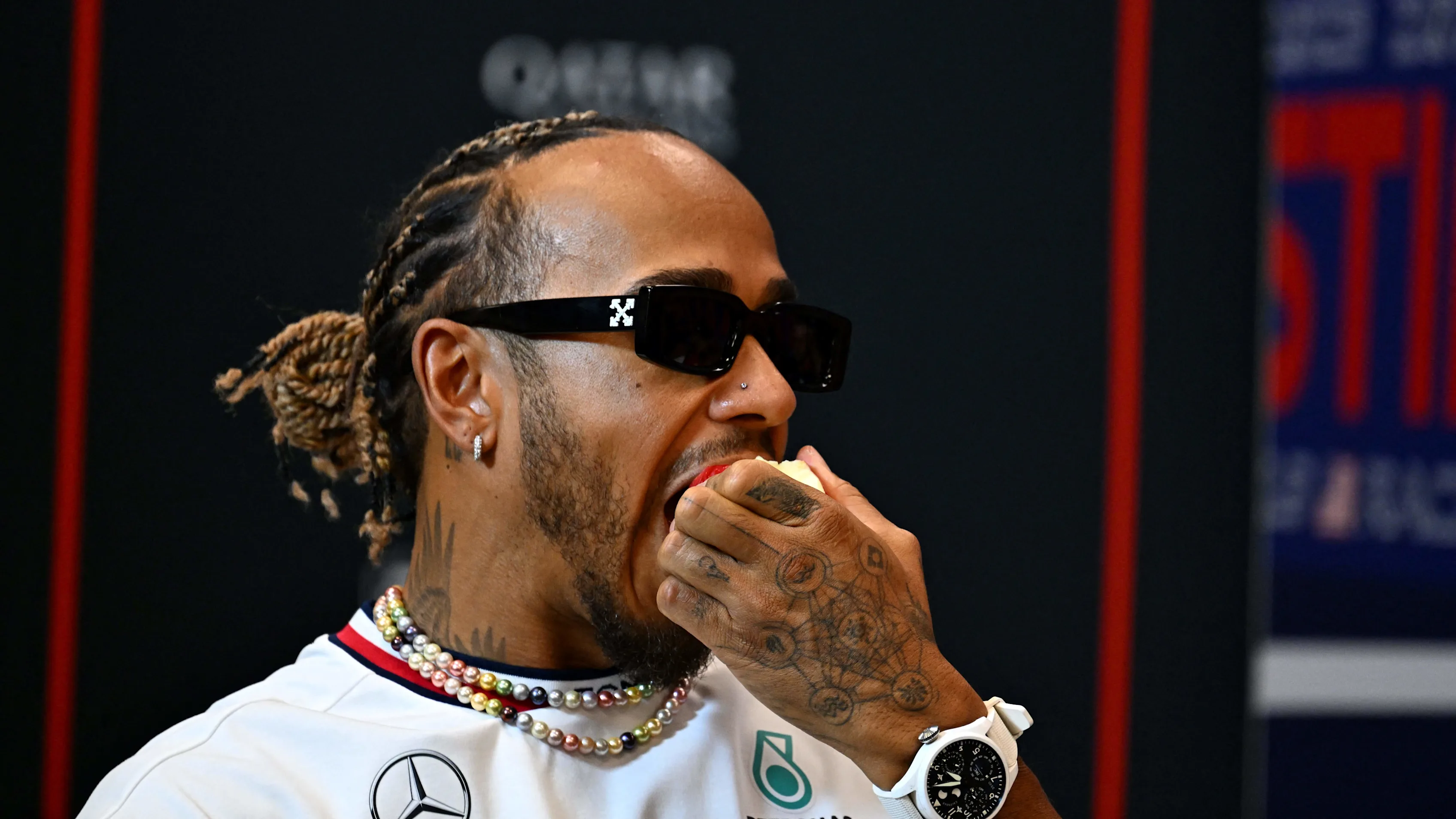
One of the most intensely demanding races in recent memory, last year’s Qatar Grand Prix gave some insight into the physical demands of piloting an F1 car in the toughest conditions.
But while that race at Lusail was an extreme example of the physical demands F1 drivers are subject to, it remains true that in a sport where drivers can regularly lose 2-4kg of fluid, burn through 1,500 calories and lose up to 5% body weight during races, maintaining peak physical condition becomes hugely important. And as well as strength and endurance, nutrition and hydration are key components in reaching peak performance – and staying there.
“The old saying you are what you eat is absolutely true,” says F1 performance coach Mark Arnall, who over the past two decades has looked after Formula 1 champions ranging from Mika Hakkinen to Sebastian Vettel, with the bulk of his career spent making sure Kimi Raikkonen was properly fuelled to finish every race weekend. And for Arnall, good nutrition starts with an understanding of how the driver is burning that fuel.

Next Up
Related Articles
 How Hadjar lost a possible podium chance in Sepang
 FIA Formula 2 and FIA Formula 3 announce 2027 calendars
 Audi unveil special livery for Singapore GP
/Bahrain%20MMD%20Header.webp) UnlockedHow Red Bull cured weaknesses to give Verstappen his first 2026 victory
UnlockedHow Red Bull cured weaknesses to give Verstappen his first 2026 victory Lindblad's P10 finish 'more than we could have imagined'
 Betting5 betting lessons after Verstappen wins Bahrain GP