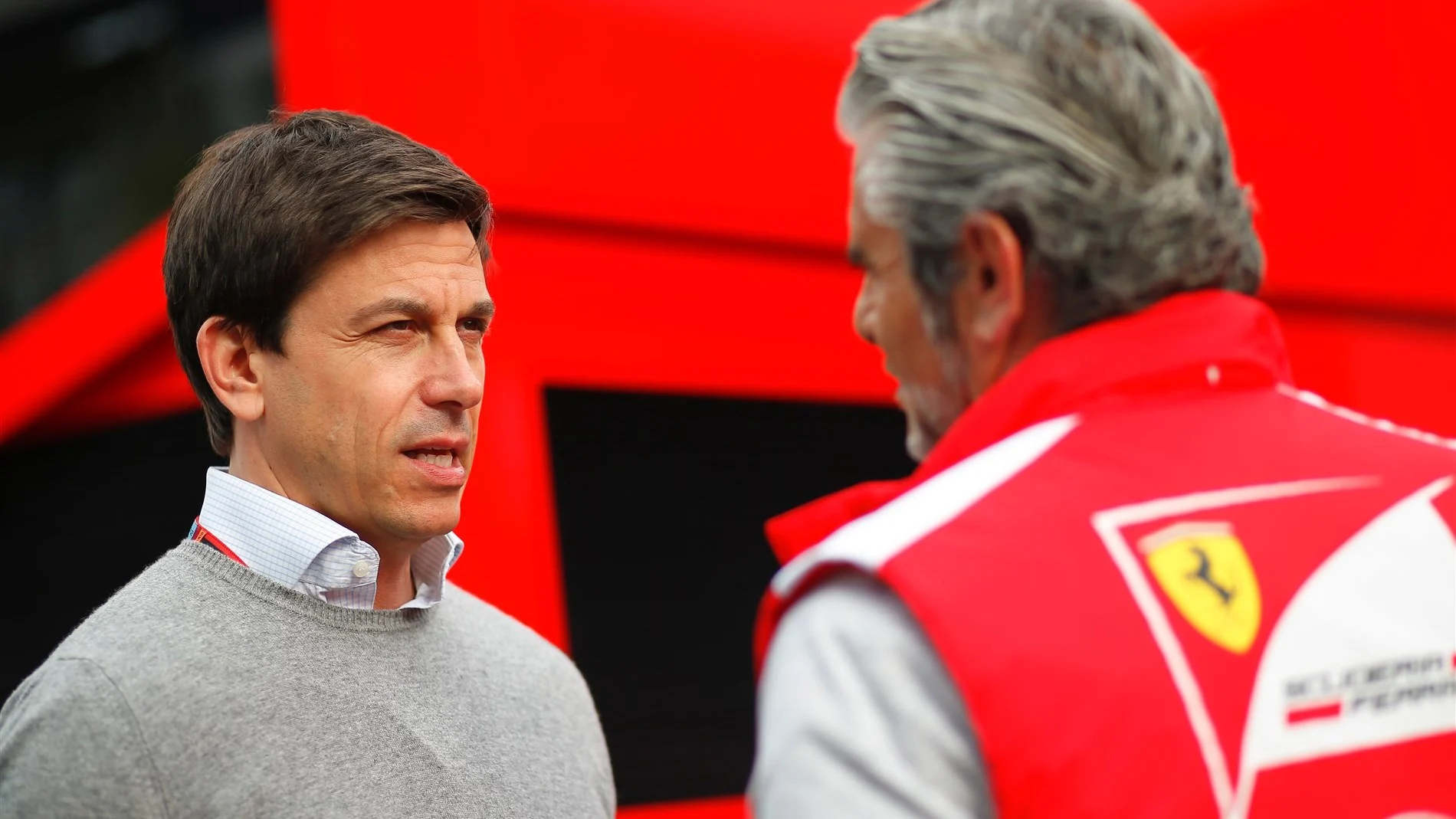
Head of Mercedes-Benz Motorsport, Toto Wolff, expects Formula One cars to be significantly quicker in 2017, under proposed regulation changes currently being assessed by the teams.
The changes are aimed at achieving faster, wider and more aggressive looking cars, with wider wheels, new wings and floor shape, and significantly increased aerodynamic downforce.
“In the last couple of years F1 has reduced downforce, has reduced the speed of the cars, and probably now is the time to take a step back [to review things] - and this is what we are doing for 2017 with very exciting new regulations,” Wolff told Formula1.com.
“The cars will be much faster than they are now. We are putting the drivers back into the centre - giving them back responsibility for what they do in the car and giving it less a perception of being remote controlled by the pit wall.”
Though the 2017 revisions are yet to be officially ratified, Wolff is confident that the teams are in agreement on their key elements.
“We have until February [2016] to vote for the changes and I think it was pretty unanimous among the teams to implement those radical changes of having wider tyres with more grip, having wider cars,” he added. “That’s going to happen, definitely.”
The rule changes were discussed at last week’s meeting of the F1 Strategy Group, which also agreed to rapidly implement increased restrictions on driver aids and coaching - starting from next month’s Belgian Grand Prix - with a particular emphasis on race starts.
Look out for an in-depth interview with Wolff later this week, with topics including Mercedes’ winning streak, ‘Professor Rosberg’, and assembling the ultimate F1 driver.
Next Up
Related Articles
 Alpine release statement over online abuse after Baku race
 BARRETTO: Why Ferrari have moved to shield Vasseur
 Aston Martin keep Alonso and Stroll for 2027
 Norris apologises to Colapinto for Baku post-race comments
 Perez reflects on 'one of my best weekends'
 How Baku highlighted McLaren’s straight line weakness