From Mario Andretti to Lando Norris – 7 dynasty-ending championship wins
F1.com looks back at the drivers and teams whose success brought an end to the previous dominance of some of their competitors.

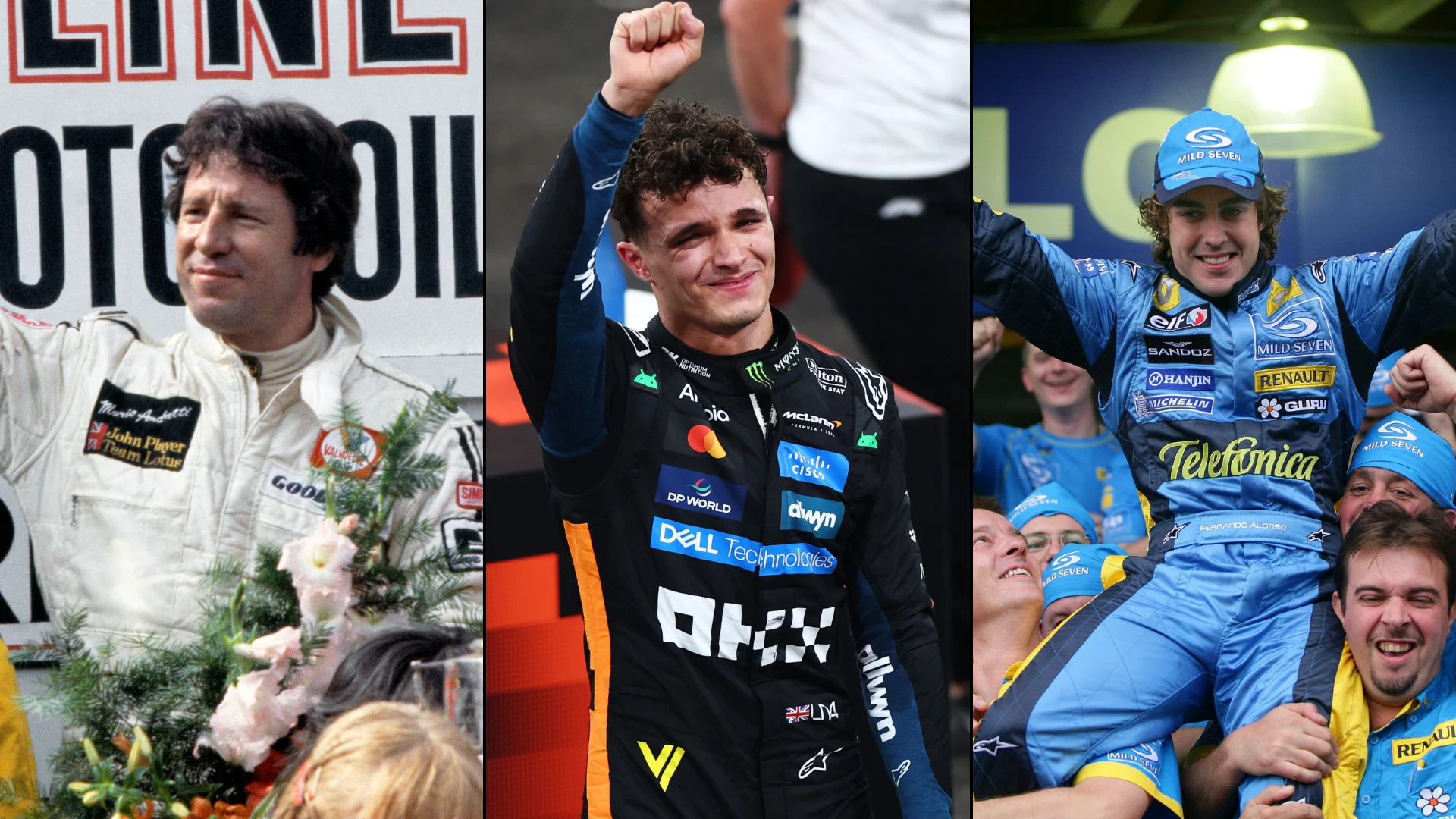
McLaren will enter 2026 fresh off the back of winning their second consecutive Teams’ Championship, a title that they wrapped up with a whopping 364-point advantage over second-placed Mercedes.
On the Drivers’ title side, meanwhile, Lando Norris toppled Max Verstappen to bring an end to the Dutchman’s four-year reign as World Champion – but will another team and driver combination get in the way of McLaren’s ascent in the season ahead?
Those hoping to do just that might want to take inspiration from the following cases in F1 history, where a new championship victor stopped a previous dynasty in its tracks…
Andretti and Lotus, 1978
Ferrari had been on a dominant run from the mid-1970s onwards; seemingly reinvigorated by the arrival of Niki Lauda in 1974, the Scuderia went on to score back-to-back Teams’ Championships between 1975 and 1977. Lauda also claimed two Drivers’ titles, just missing out in 1976 following his horror accident at the Nurburgring.
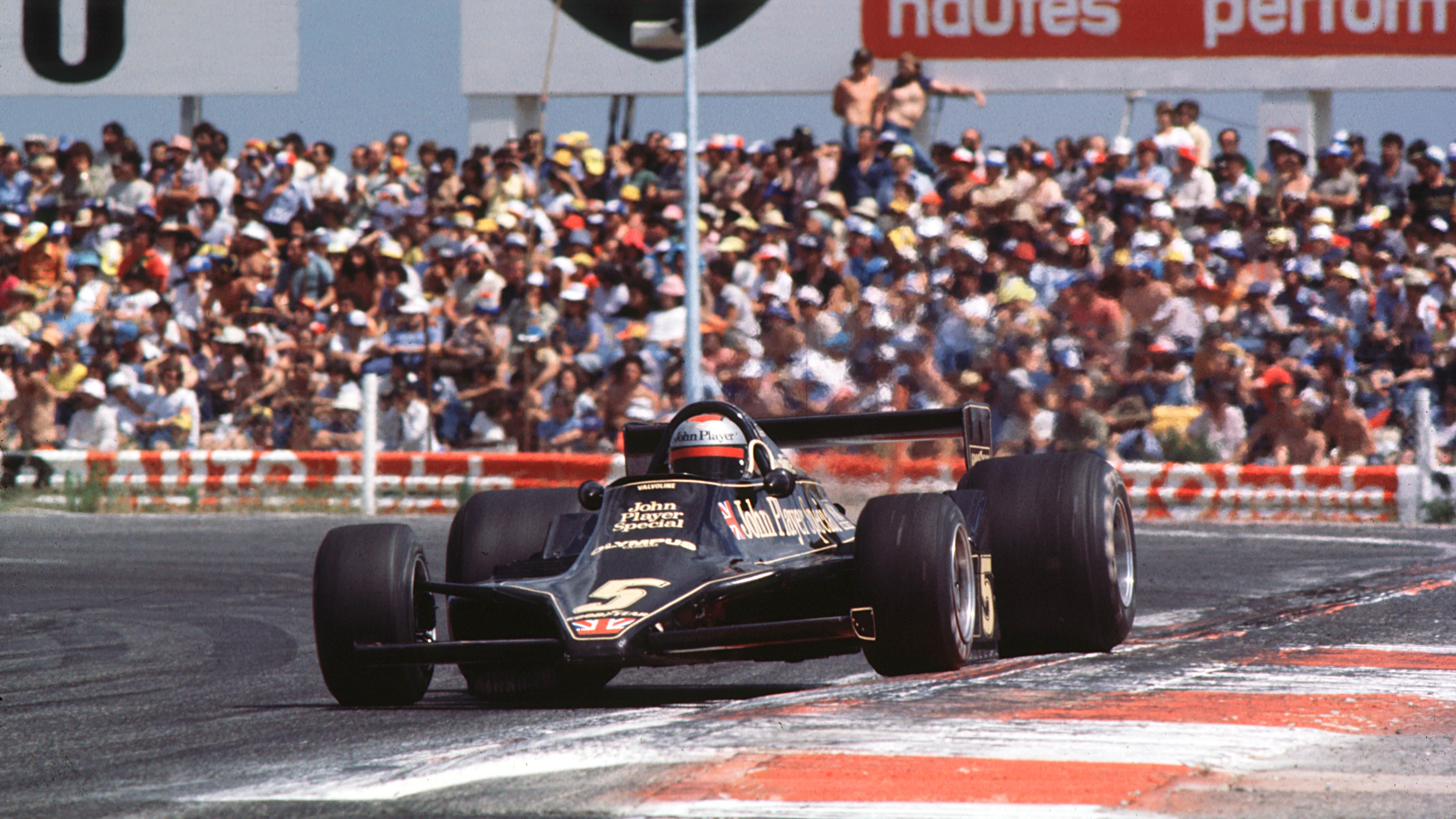
However, over at Lotus – a squad that had previously used innovative designs to their advantage, having collected three Teams’ titles during the early 1970s with the revolutionary Lotus 72 – Colin Chapman was working on a new car that would utilise the benefits of ground effect.
This was the Lotus 78, which made its debut in 1977. While the outfit had to settle for second place in that season’s championship, they hit their stride in 1978 – a year that also saw the arrival of the 78’s successor, the Lotus 79 – and clinched their first Teams’ crown since 1973.
They also ended a six-year wait for another Drivers’ title, with Mario Andretti scoring five wins en route to what would prove to be his sole championship in Formula 1.
Mansell and Williams, 1992
Should McLaren win a third consecutive Teams’ Championship in 2026, it would mark the outfit’s strongest run since they clinched four in a row between 1988 and 1991. Indeed, the squad had outlined their prowess going back as far as 1984, collecting a total of seven Drivers’ titles and six Teams’ in that eight-year period.
Williams had snatched two Teams’ wins from their rivals in 1986 and 1987, as well as taking the World Championship with Nelson Piquet in the latter. But after slipping backwards in the fight towards the end of the decade, it looked like the squad’s fortunes might be about to change when a certain Adrian Newey joined as Chief Designer in 1991 to working along incumbent Technical Director Patrick Head.
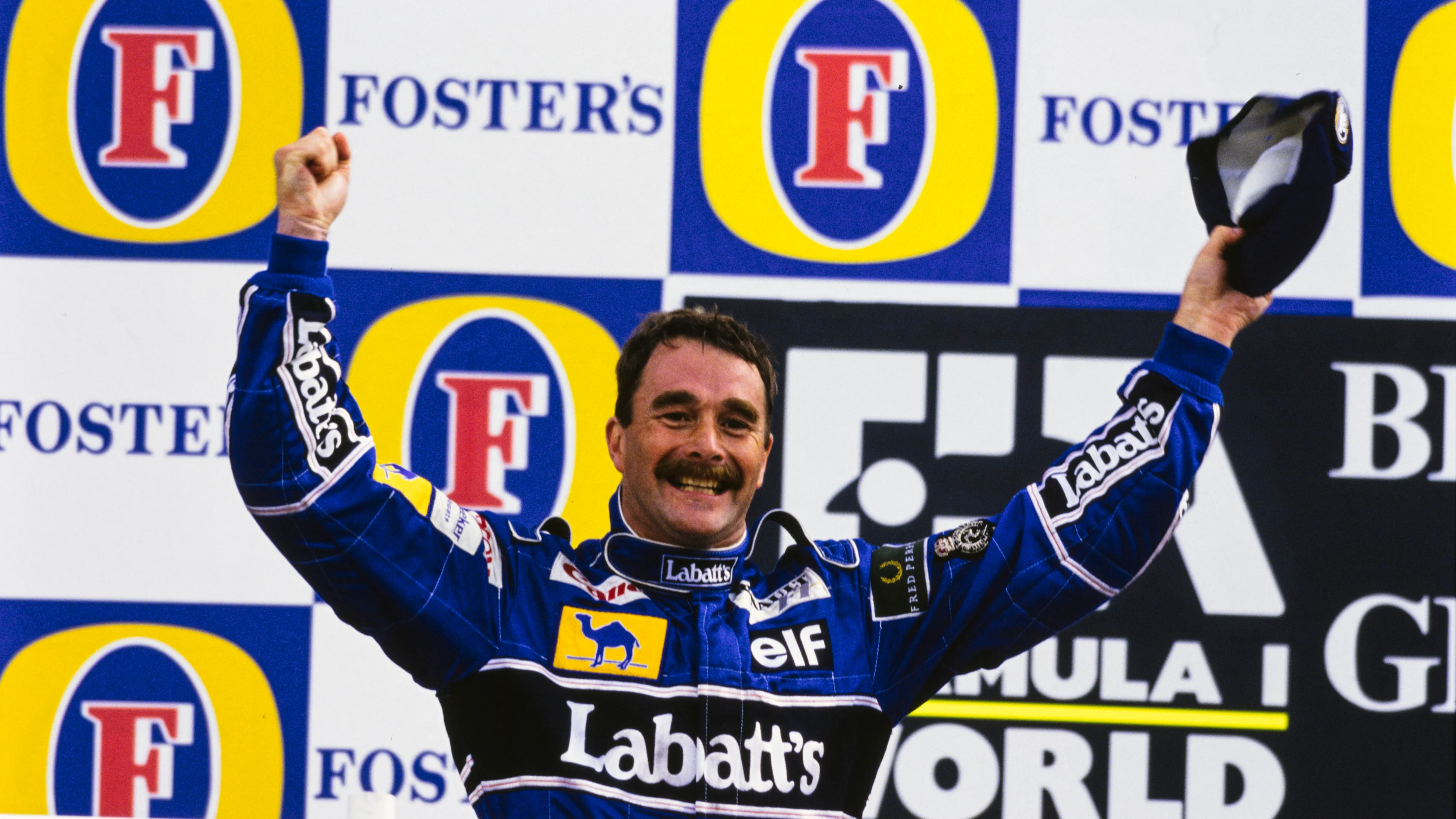
The combination proved to be an effective one, with the FW14 car bringing the team numerous wins in 1991. While it was not enough to take the championship away from McLaren on that occasion, the 1992-spec FW14B – which harnessed groundbreaking technology such as active suspension – proved to be a dominant force.
Nigel Mansell notched up nine victories to seal his first and only Drivers’ title, and Williams ended McLaren’s run of Teams’ Championships, kickstarting a strong era for the Grove-based outfit that would see them collect further accolades into the 1990s.
Hakkinen and McLaren, 1998
That aforementioned run for Williams resulted in four more Teams’ titles and three Drivers’ Championships between 1993 and 1997. Over at McLaren, the squad were busy trying to rebuild after being knocked off their perch – and part of this attempt involved enticing Adrian Newey away from their rivals.
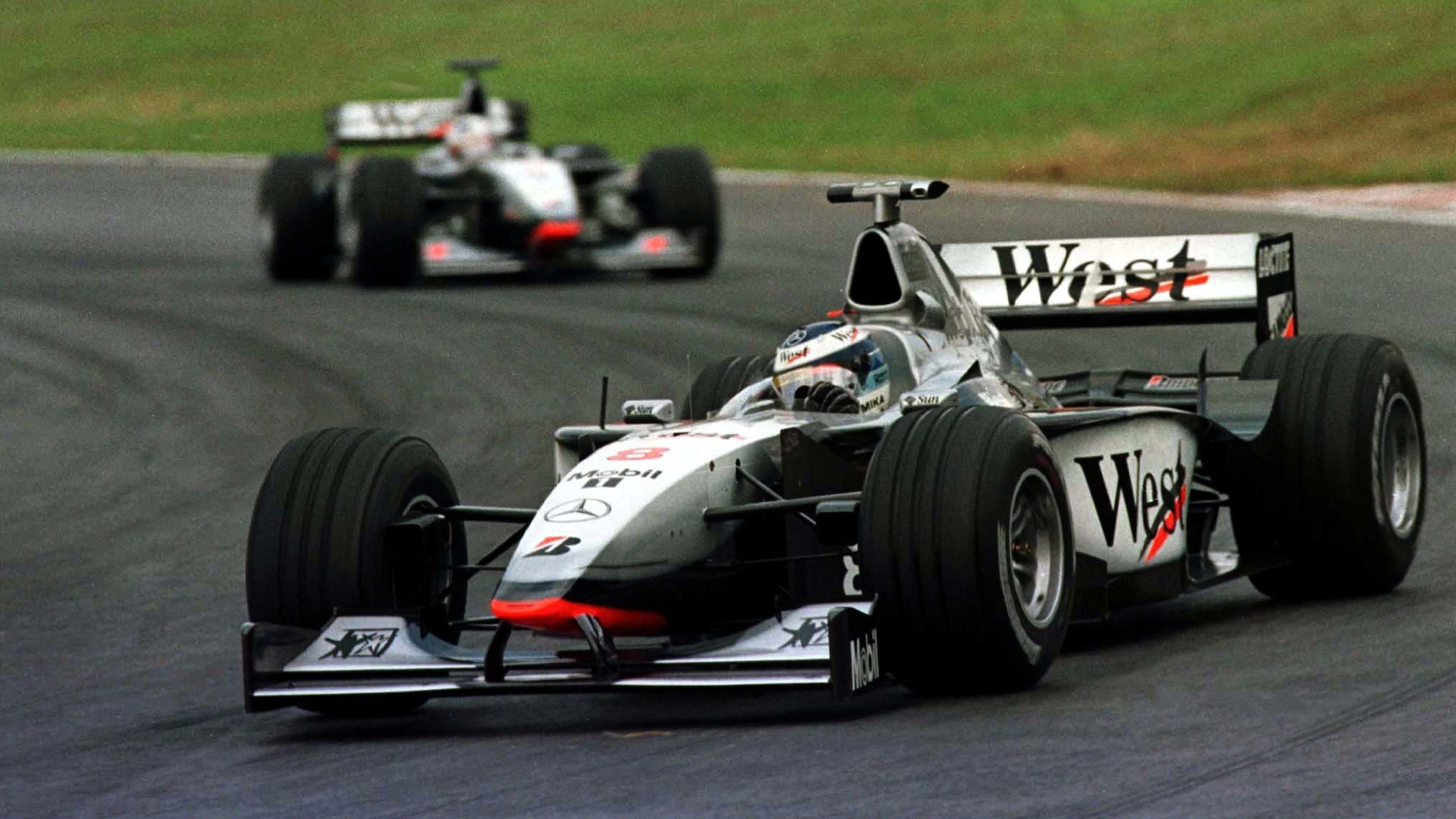
Joining ahead of the 1997 campaign, Newey’s arrival was too late to influence that year’s car – but the Briton instead focused his efforts on the 1998 challenger, preparing to adapt to new regulations that would see the cars’ widths reduced and grooved tyres used.
The resultant MP4-13 looked to have aced this task, allowing Mika Hakkinen to clinch a maiden World Championship while the squad wrapped up their first Teams’ crown in seven years. Williams, meanwhile, suffered a winless campaign, an unwanted milestone they had not experienced since 1988.
Hakkinen would go on to win another title in 1999, while Ferrari were triumphant in the Teams’ battle – a sign of things to come, with the Scuderia subsequently embarking on a dynasty of their own alongside Michael Schumacher between 2000 and 2004. Until…
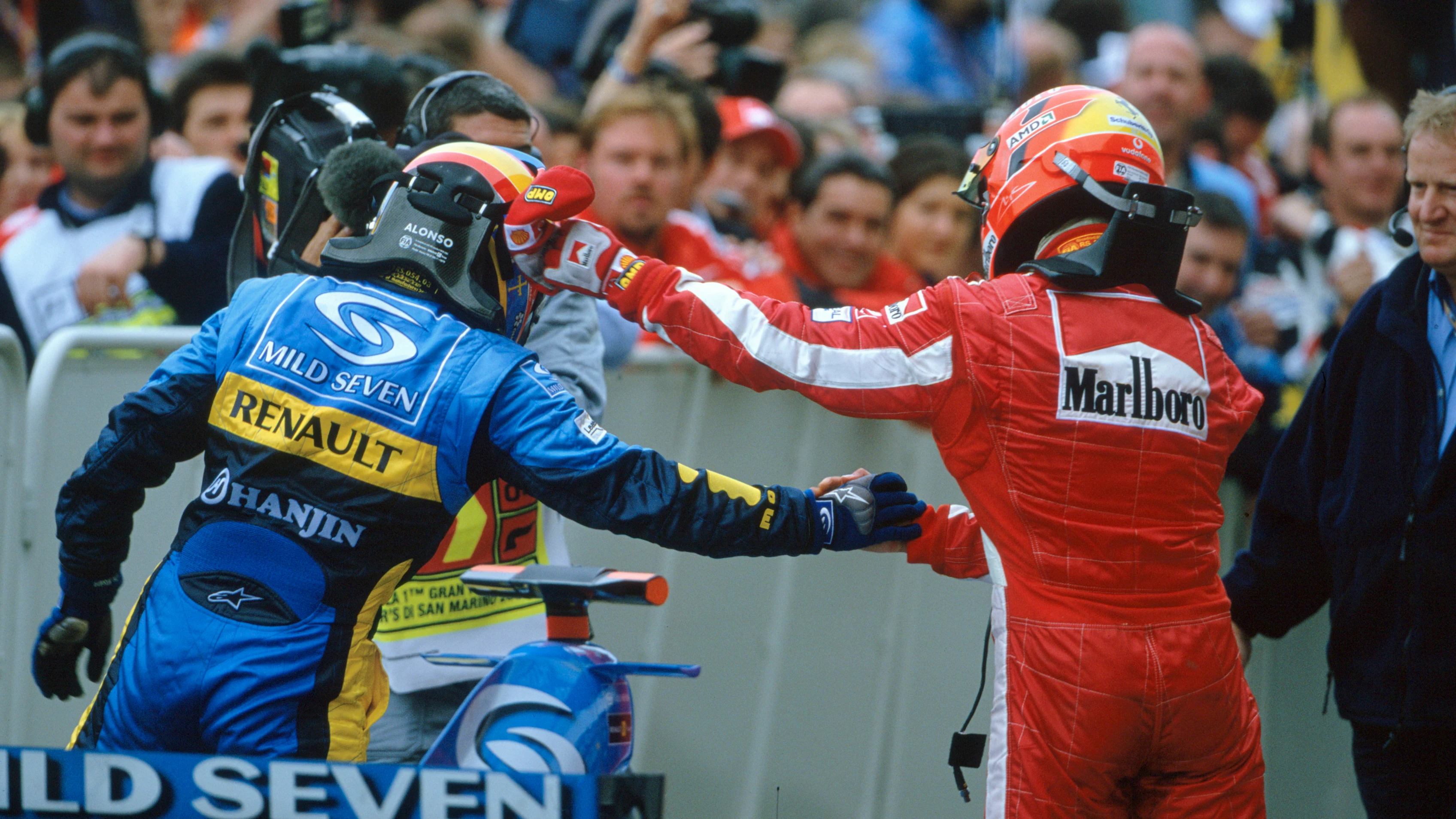
Alonso and Renault, 2005
After a record-breaking run of five consecutive World Championships – and six Teams’ titles – the task of challenging Schumacher and Ferrari seemed a lofty one. However, amid the introduction of new technical regulations, Fernando Alonso and Renault kickstarted a sea change in 2005.
Along with alterations to the rules on aerodynamics, tyre changes during pit stops were banned – and, in the era of the so-called ‘tyre war’ between Bridgestone and Michelin, this favoured the teams running the latter’s more durable rubber while seemingly putting the three outfits using the former – that being Ferrari, Jordan and Minardi – at a disadvantage.
The result was that the previously dominant Schumacher and Ferrari saw their fortunes change in 2005, with the German scoring just one win – at the infamous six-car United States Grand Prix – en route to third place in the Drivers’ Championship.
Alonso, meanwhile, collected seven victories to beat McLaren’s Kimi Raikkonen to the title by 21 points – making him the youngest-ever champion at the time – before following this up with a second World Championship in 2006.
Hamilton and Mercedes, 2014
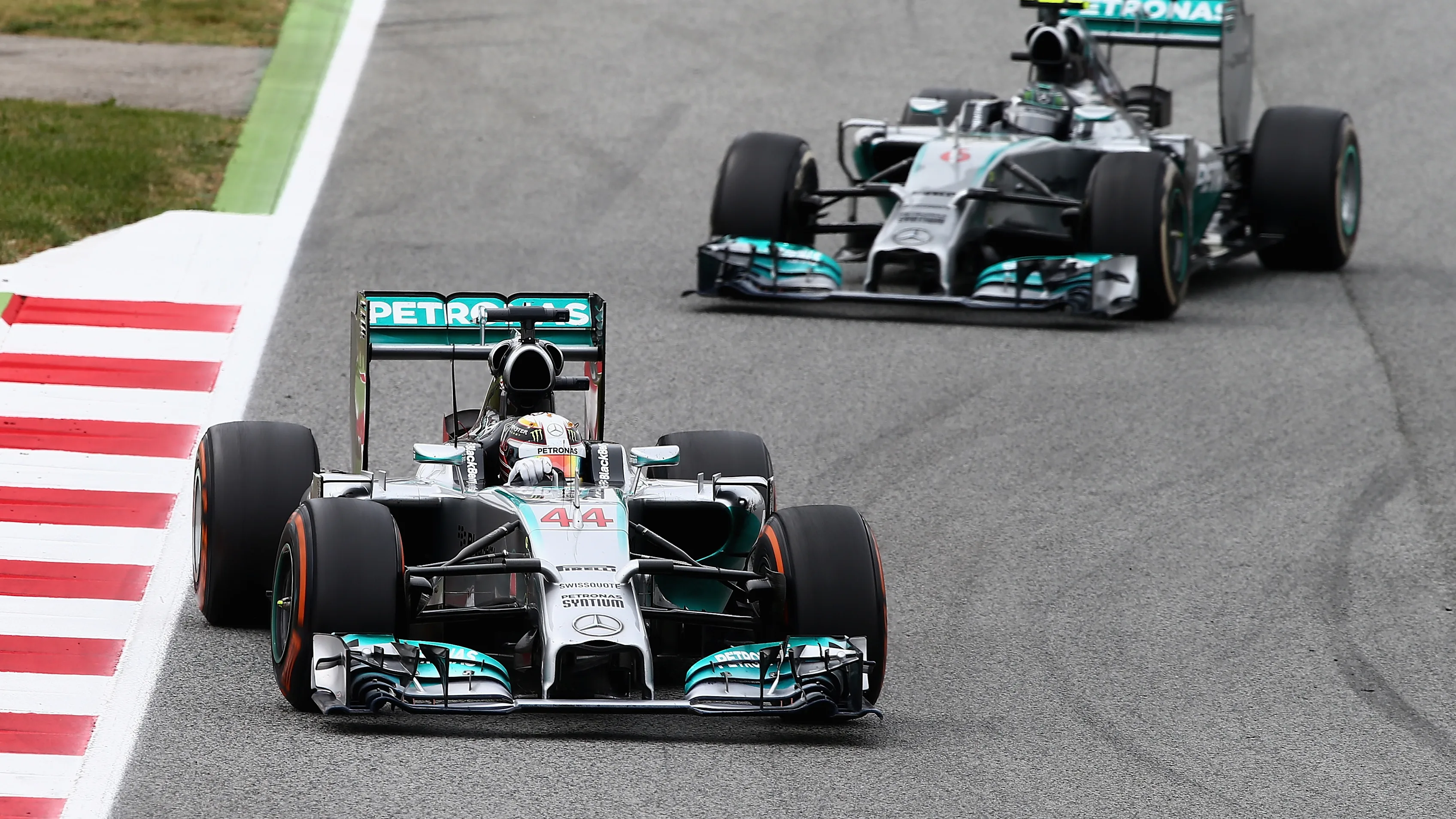
Following the success of Alonso and Renault, a different name experienced title glory in 2007 (Kimi Raikkonen), 2008 (Lewis Hamilton) and 2009 (Jenson Button) before another dynasty took hold when Sebastian Vettel and Red Bull became a seemingly unstoppable force, scoring every Drivers’ and Teams’ Championship between 2010 and 2013.
However, change was again afoot amid the arrival of the turbo-hybrid era. Mercedes, like other teams, did not arrive at pre-season testing ahead of the 2014 campaign with their car where they wanted it to be – but in the days and weeks that followed, the Silver Arrows started to mark themselves out as favourites, experiencing better reliability than many of their rivals.
That promise soon translated into real pace when the campaign got underway, with Mercedes triumphant across the opening six races as an intra-team battle started to play out between Hamilton and Nico Rosberg. And while Red Bull’s Daniel Ricciardo was the only other man to take a win that season, Vettel did not appear as comfortable with the RB10 and failed to stand on the top step.
There were no such troubles for the Silver Arrows, whose dominance during that campaign – one in which Hamilton ultimately beat Rosberg to the crown – led to a run of seven back-to-back Drivers’ Championships and eight consecutive Teams’ titles for the Brackley-based outfit.
Verstappen and Red Bull, 2021
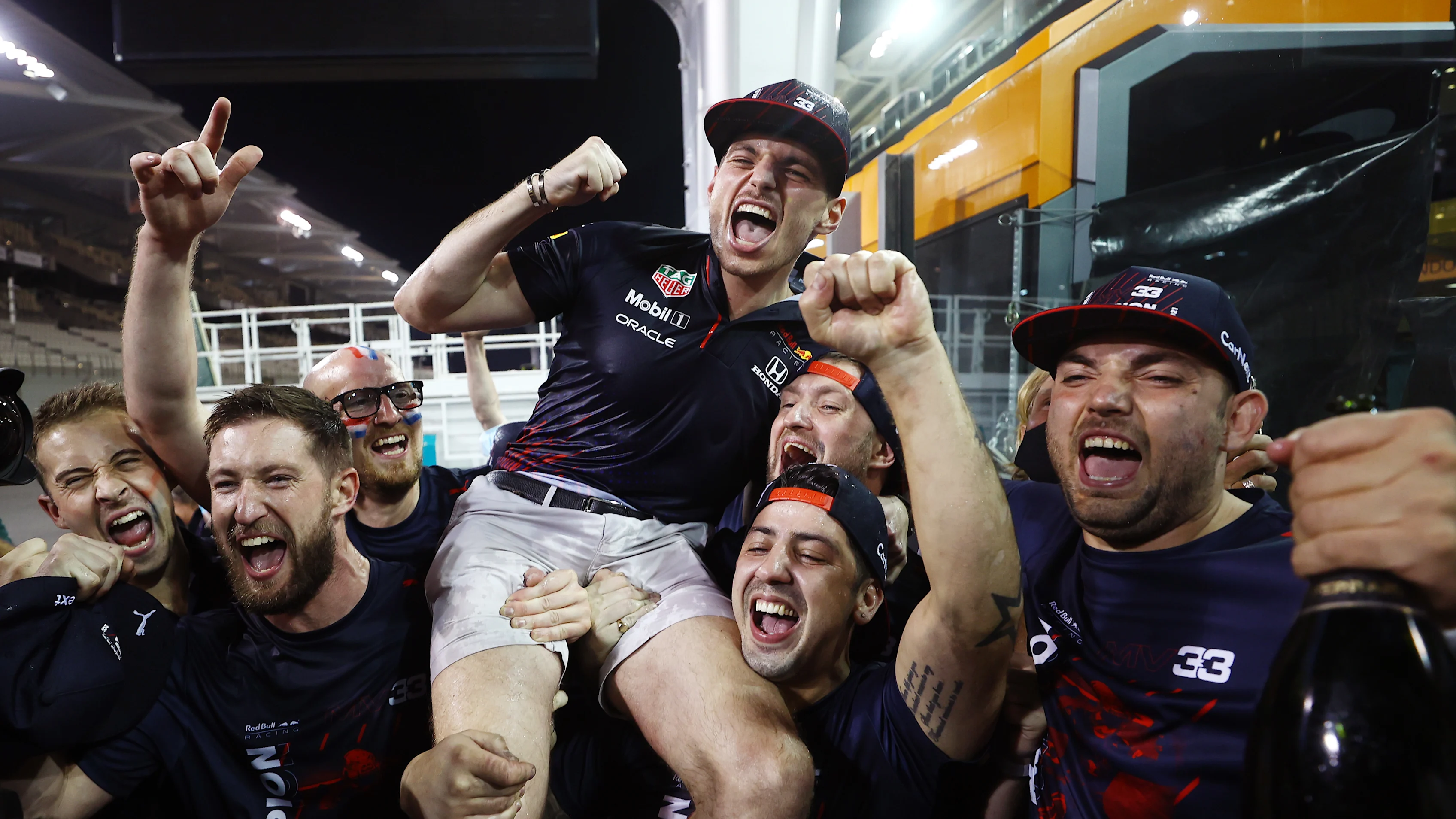
While the 2021 season did not signal a complete changing of the guard, it very much shone a light on the growing threat posed by Red Bull’s Max Verstappen – a name that would remain at the top for the next few years.
Following his breakthrough victory at Barcelona in 2016, Verstappen had been steadily adding to that tally across the seasons that followed. But it was not until 2021 that the Dutchman became a serious title contender for the first time, going head-to-head in an epic battle with reigning champion Hamilton.
A dramatic conclusion to that campaign saw Verstappen claim his debut title – but the introduction of new ground effect regulations in 2022 meant that the pecking order was uncertain when the Red Bull man prepared to defend his crown.
As it was, the Milton Keynes-based outfit looked to have aced the new rules, resulting in them becoming the first squad other than Mercedes to win the Teams’ Championship since they themselves had last been victorious in 2013. Verstappen, meanwhile, chalked up consecutive Drivers’ titles through to 2024 – before another change occurred with the 2025 season…
Norris and McLaren, 2025
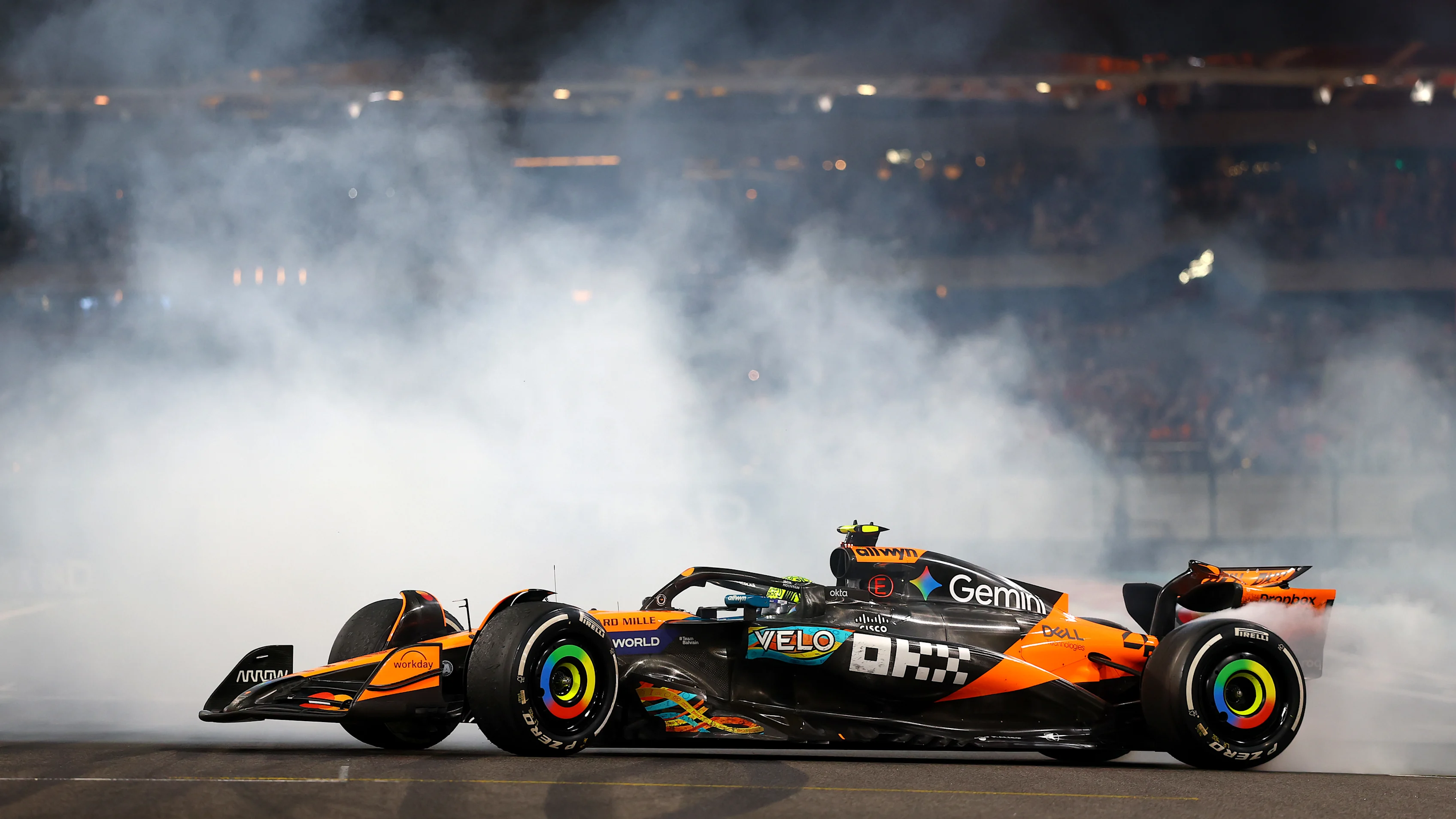
While Verstappen had secured his fourth championship in 2024, the triumph had not come quite as easily as during his incredibly dominant 2023 campaign. This was in part due to the continued resurgence of McLaren, who returned to the top step of the podium in 2024 for the first time since their one-off Monza win with Daniel Ricciardo in 2021.
Following that victory at the 2024 Miami Grand Prix – which also marked Lando Norris’ first F1 win – the papaya squad increasingly became a thorn in Red Bull’s side, with both Norris and team mate Oscar Piastri adding to the wins tally and giving McLaren the Teams’ Championship. Remarkably, the squad had not previously achieved this accolade since 1998.
With Verstappen largely left to lead Red Bull’s charge alone, the combined force of Norris and Piastri at McLaren became even more unstoppable in 2025, helping the outfit to wrap up a second Teams’ Championship with six rounds still to spare.
The Drivers’ title, however, was a slightly different story, as Verstappen launched a stunning comeback during the second half of the season to take the fight down to the wire against the papaya cars. Despite the Dutchman’s best efforts, it was ultimately Norris who succeeded to seal a maiden World Championship – but, amid a wave of new technical regulations in 2026, can the Briton and his team maintain their run of form into the campaign ahead? Time will tell…
Next Up
Related Articles
 Aston Martin keep Alonso and Stroll for 2027
/GettyImages-854940022.webp) 5 storylines we're excited about ahead of the Bahrain GP
5 storylines we're excited about ahead of the Bahrain GP What tyres will the teams have for the Bahrain Grand Prix?
 Binotto wants Slater in an F1 seat in the near future
 Perez reflects on 'one of my best weekends'
 UnlockedTop 10 most memorable F1 moments at Sepang